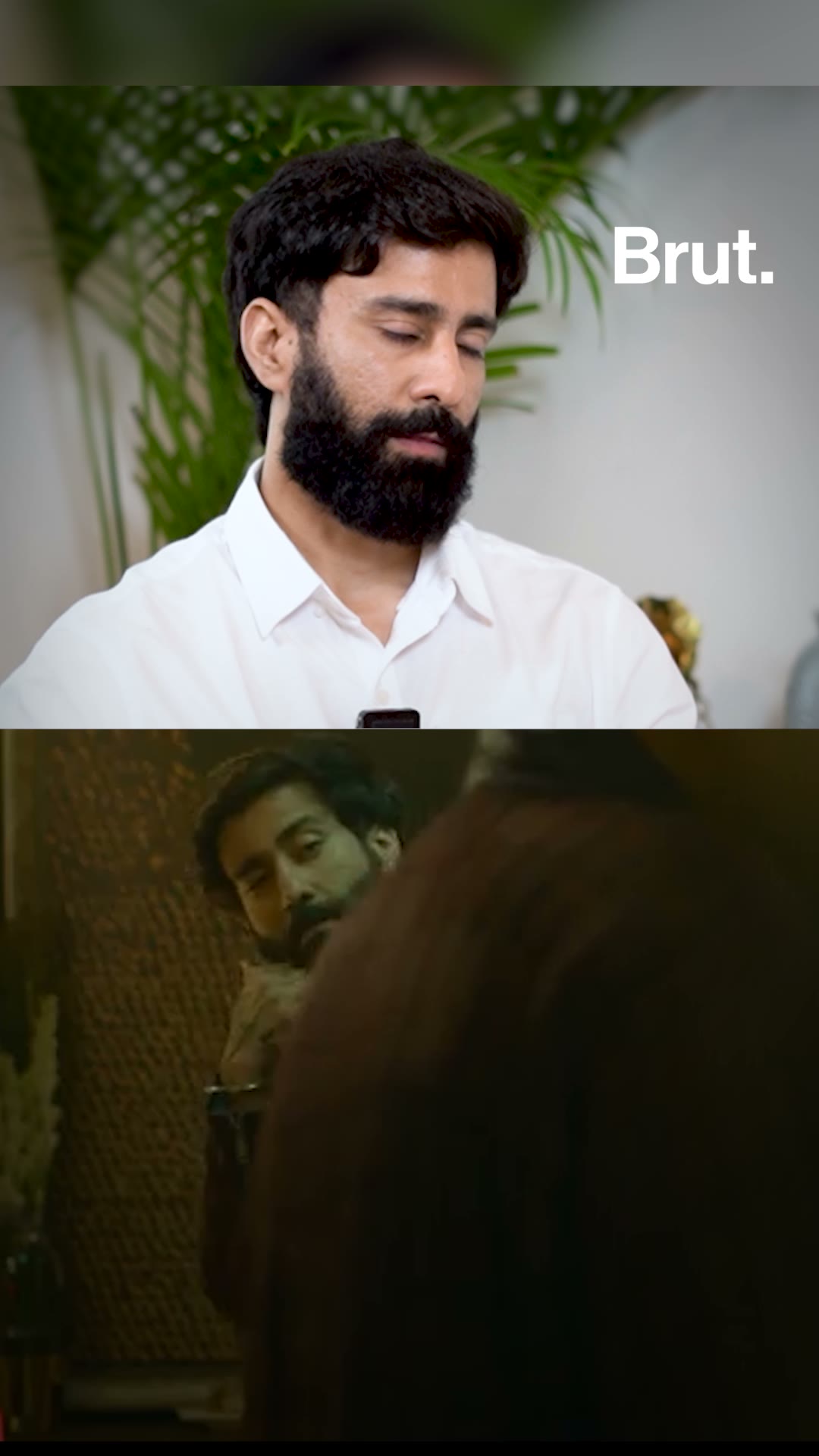
In a candid conversation with Editor-in-Chief Mehak Kasbekar on The Other Side podcast, Ananya Panday spoke about growing up in the public eye, navigating criticism, body image, privilege, and the expectations placed on her generation. The conversation traced her journey from a relatively private childhood to becoming an actor at 18—and what that transition has meant over the years.
Growing up under the spotlight — but not always
Ananya said she has lived a large part of her adult life under the spotlight because she started working at 18. Before that, she explained, not many people actually knew who she was. Social media was not as active while she was growing up, and that allowed her to have what she described as a fairly normal childhood.
She recalled that the first time she appeared in a newspaper was when she was 17, after attending a Diwali party. People were surprised to see how grown up she was, which reinforced her sense that she had not grown up in the public eye from an early age.
A childhood shaped by boundaries
Ananya credited her parents for being strict while she was growing up, especially around social media. She shared that even when she first got access to social media as a teenager, her accounts were private, and there were clear rules at home.
She spoke about how, at that age, even a small number of likes could feel overwhelming. She said that when you are a teenager, even 200 likes can feel like too many people watching. Looking back, she said she is grateful for the boundaries her parents set, as they allowed her to experience childhood without constant public attention.
Comfort over performance off screen
Ananya spoke about the difference between being on screen and being off duty. She said that looking a certain way on screen takes time and effort, but when she is not working, she does not take the pressure of looking a certain way.
She said she prefers stepping out in simple clothes, glasses, and gym wear, adding that she wants people—especially young people—to feel that she is just like them. For her, comfort and authenticity matter more than maintaining a curated image outside of work.
Paparazzi, phones, and setting boundaries
Discussing paparazzi culture, Ananya said things have changed significantly over the years. Earlier, she recalled, there were only a few photographers, and there was a mutual understanding and respect. Now, she said, the line between paparazzi and the general public has blurred.
She pointed out that anyone with a phone can take pictures or videos and sell them, which has changed the dynamic entirely. Because of this, she believes setting boundaries is essential. She said that if she feels uncomfortable, she chooses not to step out until she feels respected.
Being open about body changes
Ananya spoke openly about body image and said that as a girl, the body goes through many changes—not just over the years, but every month. She mentioned feeling bloated during periods and adjusting what she wears accordingly.
She said she does not believe in over-editing or touching up photos. When people comment on her fitness, she is clear that it comes from disciplined work for specific roles. At the moment, she said, she is enjoying food and working out when she gets time, and she has been honest about that journey.
School, insecurity, and early comments
Reflecting on her school years, Ananya spoke about feeling awkward growing up. She said she was tall, wore glasses, and was conscious about her appearance. She recalled that people had said “all sorts of things” to her, listing comments like “flat screen TV,” “toothpick legs,” “chicken legs,” and “hairy hunchback.”
She said these experiences were not unique to her and that everyone goes through things in their own way at that age. Today, she said she wears her glasses more confidently and wishes that, growing up, she had seen more people who looked like her.
Dealing with criticism
Ananya acknowledged that criticism affected her more when she was younger. She said she used to get affected when people spoke about her personality rather than her work. Criticism of her craft, she explained, felt easier to process because it was something she could work on and improve.
Over time, she said she realised that growing up also means changing, and that it is okay to evolve. She described her journey from 2019 to now as one of genuine personal growth that has happened very publicly.
Being boxed in and being seen differently
Speaking about roles and perception in the film industry, Ananya said actors often get boxed into what people think they can do. Sometimes, she said, it is not about choice but about the opportunities that are presented—until someone takes a chance and sees you differently.
She shared that once she was seen in a different light through certain roles, the kinds of opportunities she received began to change.
On Gen Z and emotional openness
As someone often associated with Gen Z, Ananya addressed the stereotype that the generation is over-emotional or talks too much about mental health. She said that this openness is the reason change is happening.
She spoke about conversations around therapy, feelings, and mental health becoming more normal, and said that while it may seem extreme to some, it is starting discussions that were not happening earlier.
Spirituality and balance
Ananya shared that spirituality, particularly meditation, has played an important role in her life. She said she meditates every morning, and if she does not, her day feels off.
She explained that earlier, she experienced emotions at extremes—whether it was happiness, anger, or sadness. Meditation, she said, helped her create internal balance and deal with things more calmly.
Privilege and acceptance
Addressing the nepotism debate, Ananya said she is proud to be her father’s daughter and has always acknowledged her privilege. She said that while opportunities may come easier, acceptance ultimately depends on the audience.
Once the work begins, she believes, it is performance and connection with viewers that matter most.
Redefining success
Towards the end of the conversation, Ananya said she feels like she is just starting out. She spoke about wanting to explore more genres and focus on becoming a better actor.
Success, she said, looks different to her now. While the excitement of films and visibility still exists, her priority has shifted towards learning, growth, and staying committed to the craft.